How can the UK can strengthen both its energy sovereignty and economic resilience in the face of rising geopolitical and climate risks?
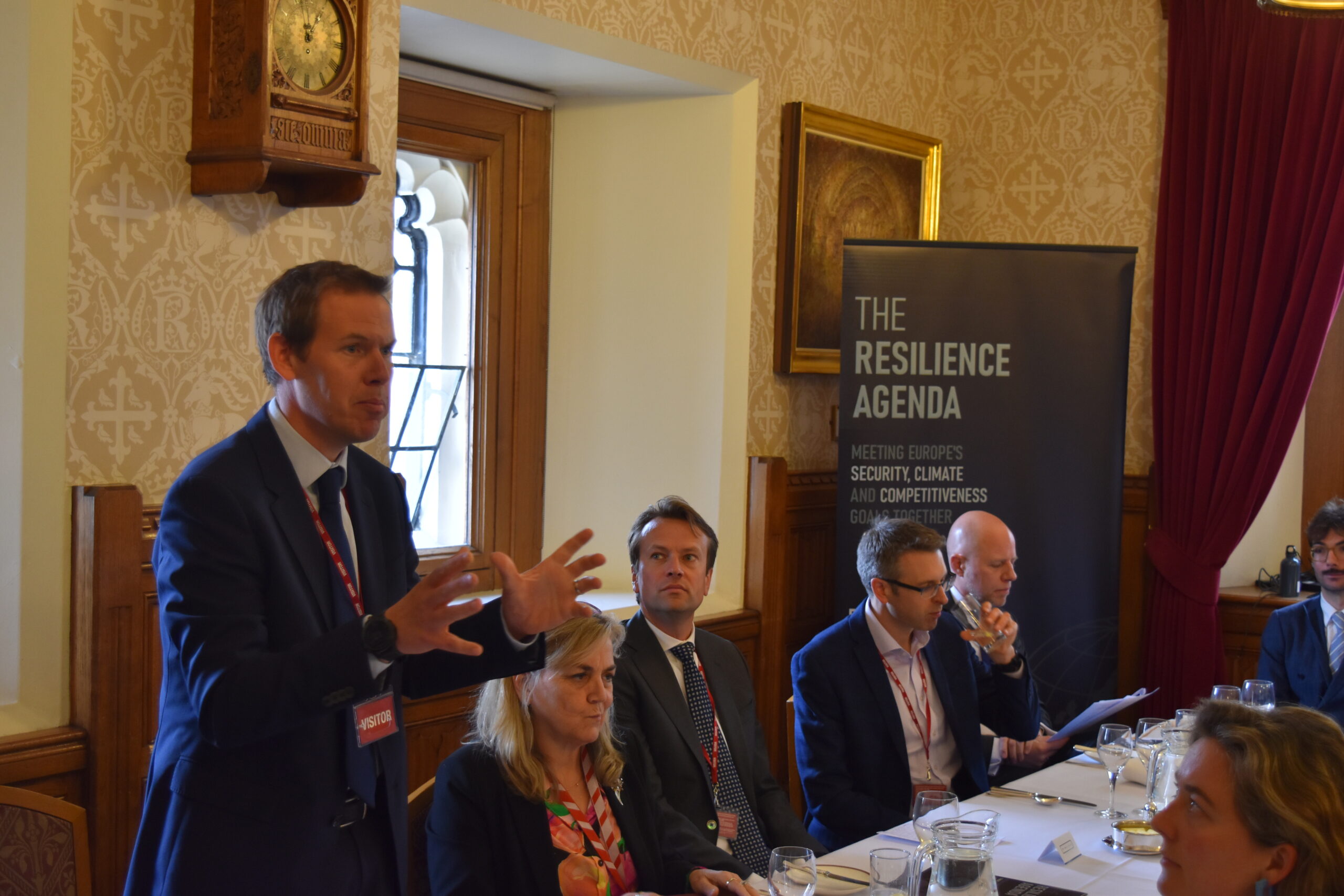
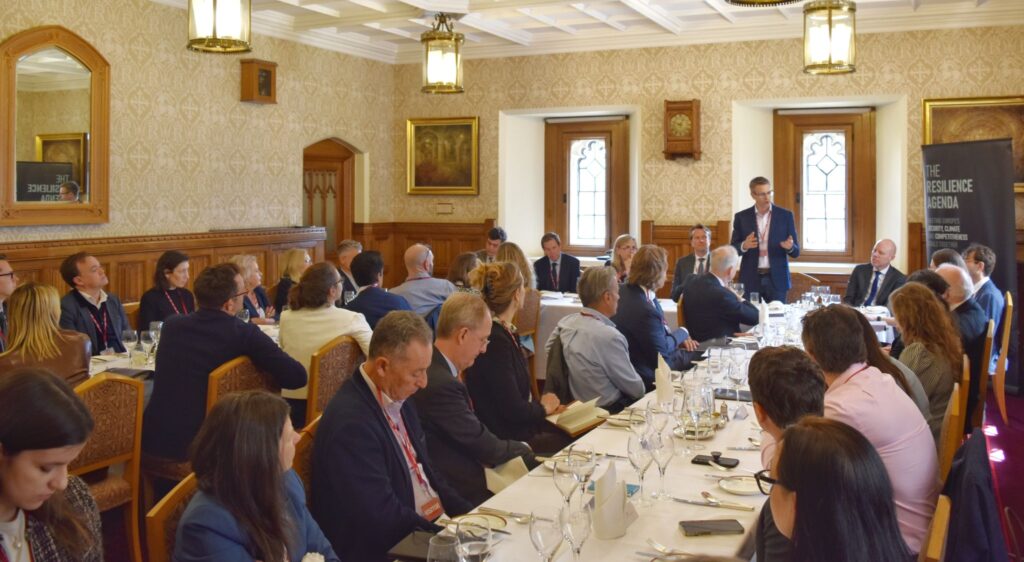
This was the question discussed at a House of Lords roundtable this week, that brought together more than 40 senior leaders from across government, finance, energy, academia, business and civil society, chaired by the ZERO Institute’s Director, Professor Paul Shearing.
Energy sovereignty is defined as “the capacity of a territory to meet its energy needs in an autonomous and sustainable way, to guarantee its independence, having direct control over its energy resources, production and infrastructure.”
Attendees argued that strengthening energy sovereignty is imperative for the resilience of the UK economy, and by improving one there are gains to the other.
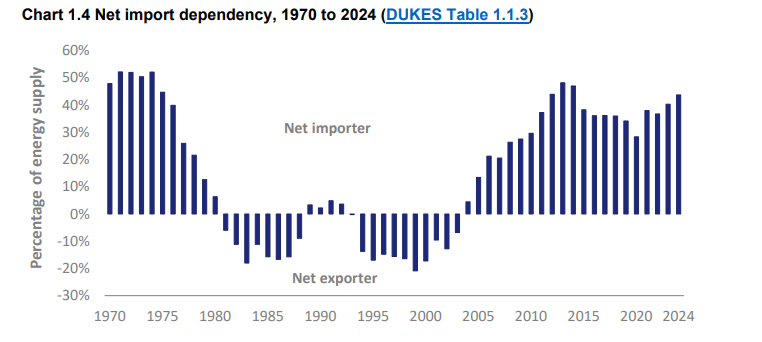
The UK is currently an importer of energy, with net energy imports currently standing at around 45%, the majority of which is oil and gas. This reliance on imported energy makes the UK more vulnerable to geopolitical risks such as the recent Hormuz crisis, causing knock on effects on everything from consumer prices to national security. Current projections suggest that the impact of the crisis may increase fossil energy costs by around 20% this year.
The discussion, held under the Chatham House Rule, covered resilience, industrial strategy, financial mobilisation, the climate-energy-economic nexus, critical evidence gaps, ownership of risk and response across government, outlook for unintended consequences and policy interface with industry and academia.
The event also discussed the ‘Resilience Agenda’, two collaborative outputs co-produced by Sytemiq, the Climate Change & (In)Security Project, the ZERO Institute, and The Clingendael Institute, due to be explored further at an event on the 24th June during London Climate Action Week.
The Resilience Agenda sets out seven key priorities that can guide government policy, business and investment choices towards resilience, namely:
Expanded intelligence, foresight and analysis – anticipating security, climate and economic risks earlier and understanding how shocks can cascade across systems before they become crises.
Multi-mission innovation – developing technologies that strengthen defence, accelerate transitions and boost competitiveness together.
Europe-wide leverage – pooling demand, investment and capability across borders instead of fragmenting efforts along national lines.
Financial mobilisation – treating spending on security, climate and infrastructure not as costs to minimise, but as investments in long-term resilience and prosperity.
Leadership – enabling institutions to act more boldly and coherently.
Global outlook – reducing strategic dependencies while strengthening international partnerships that underpin a stable rules-based global order.
Societal preparedness – putting people at the centre by building social cohesion, trust and readiness so societies themselves can withstand shocks.
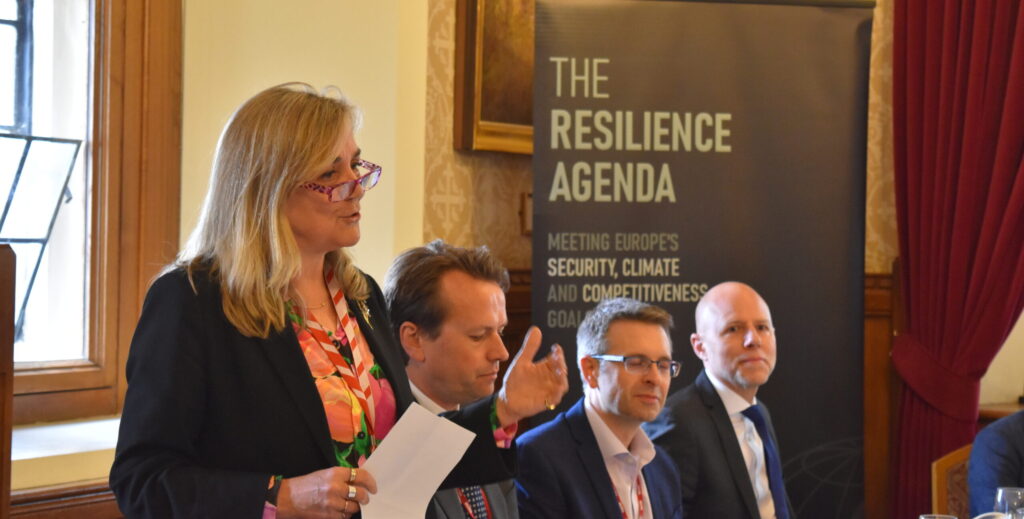
The House of Lords roundtable was a partnership between Systemiq Ltd., Peers for the Planet, Climate Change & (In)Security and The ZERO Institute, Chaired by ZERO Institute Director, Prof Paul Shearing and hosted by The Baroness Willis of Summertown.
It continues the ZERO Institute’s work working with policymakers and governments to accelerate the energy transition taking into account timely and relevant research.